
Sedation Dentistry in Manhattan Beach, CA
Nervous about the dentist? Relax, or sleep, through your treatment. Every sedation case is handled by a board-certified anesthesiologist in our surgical suite.
Dental Fear Is Common. Putting Off Care Doesn't Have to Be.
If the sound of a drill makes your stomach drop, you're far from alone. Dental anxiety keeps a lot of people out of the chair for years, and the longer care waits, the bigger the problems usually get.
At Giant Smiles Dental, we don't expect you to just "tough it out." Sedation dentistry lets you get the treatment you need while feeling calm, comfortable, and in many cases remembering little or nothing of the procedure.
Dr. Greg Ray partners with a board-certified anesthesiologist who administers every sedation case in our surgical suite. That means you're monitored by a specialist whose only job during your visit is keeping you safe and comfortable, while Dr. Ray focuses on your teeth.
Is Sedation Dentistry Right for You?
Sedation can be a good fit if you:
- Feel anxious, panicky, or tense at the thought of a dental visit
- Have had a painful or upsetting dental experience in the past
- Have a strong gag reflex or trouble sitting still in the chair
- Are afraid of needles or have trouble getting numb
- Have very sensitive teeth
- Need a longer procedure, like dental implants, All-on-6, or wisdom teeth removal
- Want to complete several treatments in one visit instead of many
- Not sure which group you fall into? That's what a consultation is for. We'll talk through your concerns and your health history and help you decide.
Three Levels of Sedation, Matched to You
We tailor sedation to your comfort level, your health, and the treatment you need.
| Level | How you'll feel | Often used for |
|---|---|---|
| Minimal sedation (nitrous oxide) Lightest level | Awake and relaxed. You can respond and talk, but worry fades. | Cleanings, fillings, and mild anxiety |
| Moderate sedation Middle level | Deeply relaxed and drowsy. Most patients remember little or nothing afterward. | Moderate to severe anxiety, crowns, root canals, extractions |
| General anesthesia Deepest level | Fully asleep and unaware for the entire procedure. | Severe dental phobia, implants, full-mouth work, complex surgery |
Minimal sedation
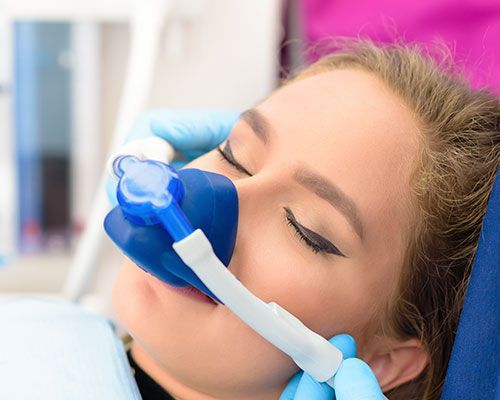
Nitrous oxideOften called "laughing gas," nitrous oxide is breathed through a small mask over your nose. It takes the edge off within minutes, and its effects fade quickly once the mask comes off.
Moderate sedation
Medication helps you relax deeply and usually creates amnesia of the procedure. You may drift in and out, but you can still breathe on your own and respond if needed.
General anesthesia
You are completely asleep. This is the best choice for patients with severe fear or for longer, more involved procedures, and it lets Dr. Ray complete more work in a single visit.
With every level, you'll also receive local anesthetic to numb the treatment area, so you stay comfortable as well as calm.
What to Expect on Your Sedation Visit
-
Before your appointment
We start with a consultation to review your medical history, current medications, and goals. You'll get clear written instructions, which may include not eating or drinking for a set number of hours before moderate sedation or general anesthesia. If you're having moderate sedation or general anesthesia, plan for a responsible adult to drive you home.
-
During your treatment
The anesthesiologist administers your sedation and monitors your breathing, heart rate, blood pressure, and oxygen levels throughout. Dr. Ray completes your treatment while you relax. Weighted blankets, neck warmers, and warm towelettes are available to make you even more comfortable.
-
After your visit
You'll rest until you're ready to go home. After nitrous oxide, most people feel normal within minutes. After moderate sedation or general anesthesia, expect to feel groggy for the rest of the day, so plan to rest at home and avoid driving, work, or important decisions until the next day. We'll send you home with aftercare instructions and a number to call with any questions.
Why Patients Choose Giant Smiles for Sedation
-
A board-certified anesthesiologist for every sedation case
Many dental offices have the dentist handle both the sedation and the treatment. Here, a dedicated specialist manages your sedation from start to finish.
-
An in-office surgical suite
You get close, continuous monitoring in a calm, private dental setting, without a trip to a surgery center.
-
More done in fewer visits
Under sedation, Dr. Ray can often combine several procedures into one appointment, which is a big relief if you've been putting off care.
-
Comfort beyond sedation
Weighted blankets, neck warmers, aromatherapy, and warm towelettes help you settle in from the moment you arrive. Learn more on our Patient Comfort page.
-
No judgment
It doesn't matter how long it's been. Dr. Ray and our team will meet you where you are and build a plan at your pace.
-
20+ years of experience
Dr. Ray has spent more than two decades helping patients get the care they need, including those who were once too nervous to walk in the door.
Frequently Asked Questions
Is sedation dentistry safe?
For most healthy adults, yes. Safety starts with a careful review of your medical history and medications. At our office, a board-certified anesthesiologist administers your sedation and monitors your vital signs throughout your procedure.
Will I be asleep?
It depends on the level you choose. With nitrous oxide you're awake but relaxed. With moderate sedation you're drowsy and usually don't remember much. With general anesthesia you're fully asleep.
Will I feel any pain?
No, you shouldn't. Sedation calms you, and local anesthetic numbs the area being treated. You may feel some soreness afterward, which we'll help you manage.
Can I drive myself home?
After nitrous oxide, usually yes. After moderate sedation or general anesthesia, no. You'll need a responsible adult to drive you home and should rest for the remainder of the day.
Does insurance cover sedation?
Coverage varies. Some plans cover sedation for certain procedures, like oral surgery, while others don't. Our team will check your benefits and explain your costs up front. We also offer financing options.
Can I have several treatments done in one visit?
Often, yes. Sedation makes it possible to complete multiple procedures in a single appointment, so you spend less total time in the chair.
Take the First Step. We'll Handle the Rest.
The hardest part is usually making the call. Book a sedation consultation, tell us what worries you, and we'll build a plan that helps you feel safe and in control. No pressure, no judgment, just a calmer way to get your smile back on track.
What is a surgical guide?
Single Implant Video
Dental implants in Manhattan Beach are a way that we can replace missing teeth.
Dental implants offer a modern solution for replacing missing teeth, combining advanced technology with materials designed for durability and compatibility with the body. These implants are crafted from titanium, a material renowned for its ability to integrate seamlessly with bone, thereby creating a stable and permanent foundation for tooth replacement. This guide delves deeper into the world of dental implants, providing you with essential information and answering frequently asked questions to help you make an informed decision.
Understanding Dental Implants: A Permanent Solution for Tooth Loss
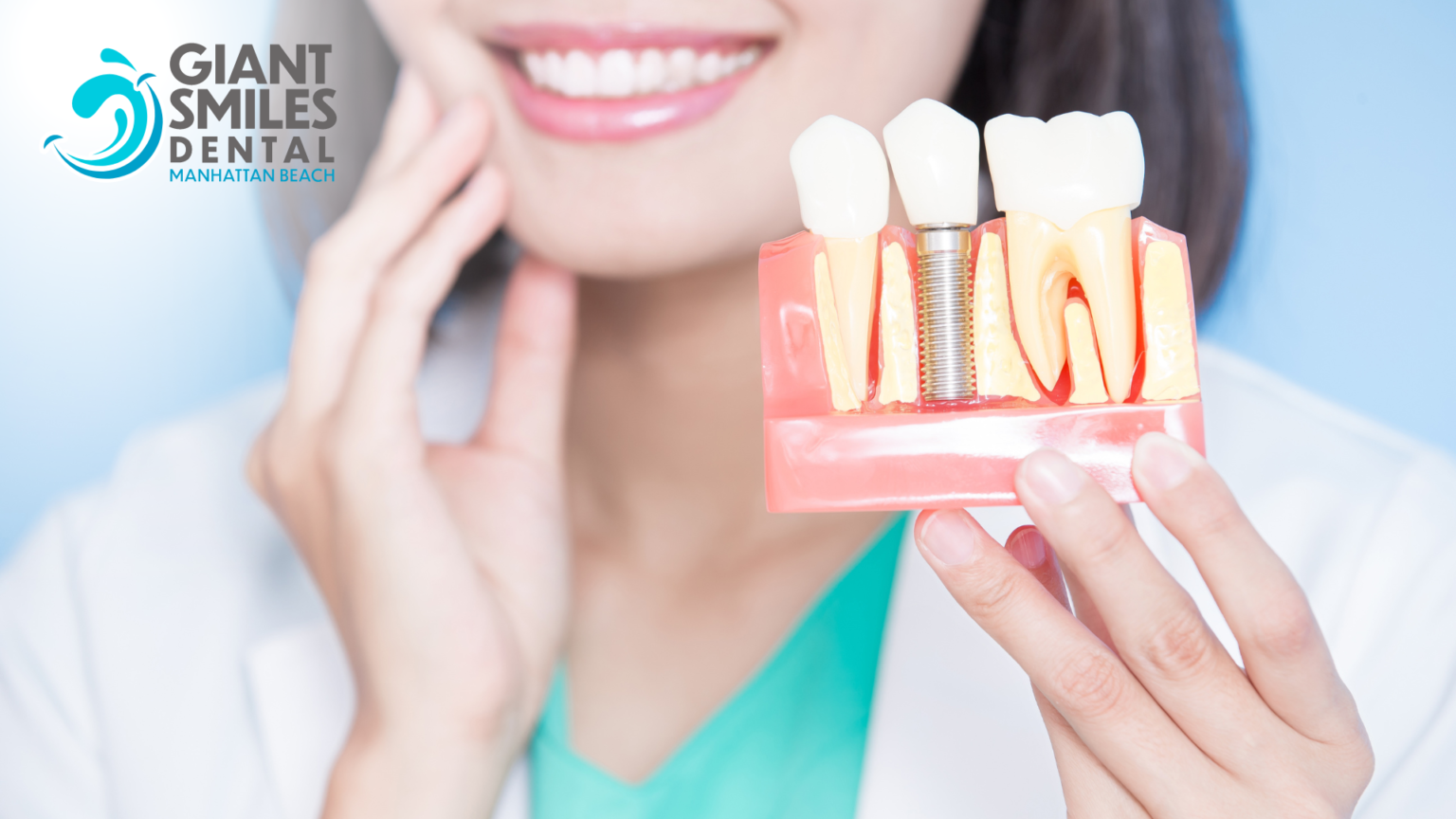
Dental implants are a revolutionary advancement in dental care, providing a way to replace missing teeth with results that look, feel, and function like natural teeth. The procedure involves two main components: the titanium implant and the implant crown. The titanium implant acts as a substitute for the tooth root, fusing with the jawbone in a process known as osseointegration. This fusion not only ensures the stability of the implant but also helps in preserving the jawbone’s integrity.
Once the implant has integrated with the bone, an implant crown is attached to it below the gum line. This crown is custom-made to match the color, shape, and size of your natural teeth, ensuring a seamless addition to your smile. Dental implants can be used to replace a single tooth, multiple teeth through individual implants, or even a full arch by using multiple implants as support for fixed bridgework.
Precision Placement: Ensuring Success with Advanced Technology
The success of dental implants heavily relies on their correct positioning within the jaw. Utilizing 3-D X-rays and surgical guides, dental professionals can place the implants precisely, avoiding vital structures such as nerves. This meticulous planning ensures that the forces exerted during chewing are evenly distributed across the implant, significantly enhancing its success rate and longevity.
Benefits of Dental Implants
- Natural Look and Feel: Dental implants are designed to blend in with your natural teeth, providing a cosmetic solution that feels natural in your mouth.
- Improved Oral Health: Unlike traditional bridges, dental implants do not require altering adjacent teeth, which preserves more of your natural tooth structure.
- Durability: With proper care, dental implants can last a lifetime, making them a cost-effective solution in the long run.
- Enhanced Comfort and Functionality: Implants eliminate the discomfort and eating restrictions often associated with dentures.
Frequently Asked Questions
1. Are dental implants right for me?
If you have one or more missing teeth, are in good general health, and have a jawbone capable of supporting implants, you may be a candidate for dental implants. A thorough evaluation by a dental implant specialist can determine if this treatment is suitable for you.
2. How long does the dental implant process take?
The entire process can take several months, as it requires the implant to fuse with the bone—a process that can take a few months. The exact timeline varies depending on individual healing times and whether additional procedures (like bone grafting) are needed.
3. Is the dental implant procedure painful?
Most patients report feeling minimal discomfort during the procedure, which can typically be managed with local anesthesia and over-the-counter pain relief medications. Post-operative discomfort is usually mild and temporary.
4. How do I care for my dental implants?
Dental implants require the same care as natural teeth, including brushing, flossing, and regular dental check-ups. Proper oral hygiene helps ensure the longevity of your implants.
5. What is the success rate of dental implants?
Dental implants have a high success rate, often exceeding 95%. Success depends on proper placement, the patient’s overall health, and adherence to good oral hygiene practices.
Emphasizing the Importance of Expert Care
Choosing the right dental professional for implant placement is crucial. Look for a dentist or oral surgeon with extensive experience in implant dentistry, as well as a track record of successful outcomes. A skilled implant specialist will ensure that you receive the highest standard of care, maximizing the success of your dental implants and transforming your smile with confidence.
By providing a stable, long-lasting solution for tooth replacement, dental implants have become a preferred choice for patients looking to restore their dental health and improve their quality of life.