
Dental Crowns
Dental Crowns
Dental crowns are a versatile restoration option that fully encase a damaged tooth with durable, natural-looking porcelain. They are often needed when a tooth has been significantly weakened by decay, injury, a root canal, or fracture lines, putting the tooth at risk of further damage. These fractures may or may not cause discomfort, but without treatment, they deepen with every bite, clench, or grind — and can lead to more serious consequences:
- A section of the tooth may break off, but it can still be repaired with a dental crown. Associated cost: Crown.
- If the break reaches the nerve, root canal therapy will be needed to save the tooth, followed by a core buildup and crown placement. Associated cost: Root Canal Therapy, Core Buildup, Crown.
- If the fracture extends below the gum line, the tooth may not be salvageable and will need to be extracted, with an implant, bridge, or denture replacing it. Associated cost: Extraction and replacement options.
Dr. Greg Ray recommends regular check-ups to catch fractures early — when treatment is simpler, less costly, and more likely to preserve your natural tooth.
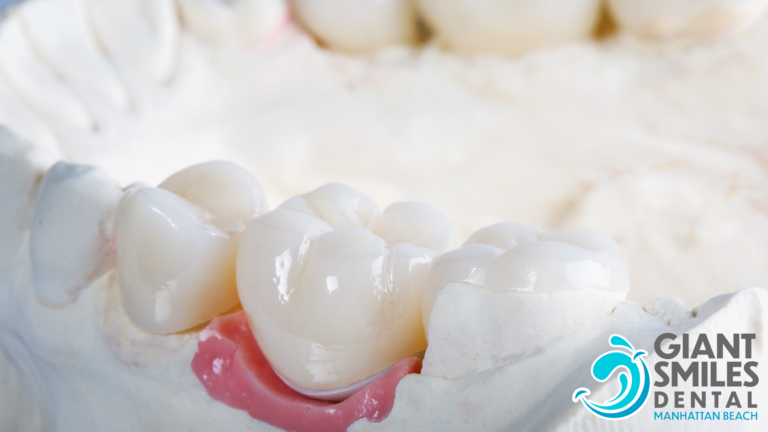
Dental crowns are a reliable and time-tested solution for restoring teeth that have been damaged by decay, injury, or wear. Designed to cover the entire surface of a compromised tooth, a crown restores its strength, protects it from further damage, and blends naturally with the rest of your smile.
Crowns may be recommended in a number of situations — including severe decay that goes beyond what a filling can repair, restoring a tooth after root canal therapy, covering a dental implant, or improving the appearance of a tooth for cosmetic reasons. Depending on your needs, crowns can be made from porcelain, ceramic, or porcelain fused to metal — all durable materials built to handle the demands of daily use.
At Giant Smiles Dental, Dr. Greg Ray and his team are committed to delivering personalized care using the latest techniques and technology. Whether you need a crown for functional or cosmetic reasons, we will work with you to ensure the result looks natural, feels comfortable, and supports your long-term oral health.
Frequently Asked Questions
1. Why is wisdom tooth extraction necessary?
Wisdom tooth extraction may be necessary when these third molars do not have enough room to emerge or develop normally. Impacted wisdom teeth can result in pain, infection, and other dental problems. Removing problematic wisdom teeth can prevent potential complications and maintain oral health.
2. How do I know if my wisdom teeth need to be extracted?
Signs that wisdom teeth may need to be extracted include pain at the back of the mouth, repeated infection of soft tissue behind the lower last tooth, cysts (fluid-filled sacs) near the wisdom teeth, tumor development, damage to nearby teeth, and gum disease. However, some people may not experience symptoms, so regular dental check-ups are essential for early detection.
3. What does the wisdom tooth extraction procedure involve?
The procedure can vary depending on the position of the wisdom teeth and their stage of development. A simple extraction involves removing a fully emerged tooth. For a tooth that has not come in or is impacted, the procedure may involve making an incision in the gum to access the tooth, possibly removing some bone around the tooth, and dividing the tooth into sections to minimize the amount of bone being removed.
4. What can I expect during recovery from wisdom tooth extraction?
Recovery typically takes a few days. You may experience swelling and mild discomfort, which can be managed with pain medication and cold compresses. It’s important to follow your oral surgeon’s instructions, which may include resting, avoiding certain foods, and not smoking to promote healing. You’ll also be advised on how to clean the extraction site properly.
5. How long does it take to fully recover from wisdom tooth extraction?
Most people start to feel better in three to four days and fully recover in about two weeks. If your wisdom teeth were impacted or came in at an awkward angle, it might take a bit longer. Following your oral surgeon’s aftercare instructions can help speed up recovery and minimize complications.
6. Why is wisdom tooth extraction necessary?
Wisdom tooth extraction may be necessary when these third molars do not have enough room to emerge or develop normally. Impacted wisdom teeth can result in pain, infection, and other dental problems. Removing problematic wisdom teeth can prevent potential complications and maintain oral health.
7. How do I know if my wisdom teeth need to be extracted?
Signs that wisdom teeth may need to be extracted include pain at the back of the mouth, repeated infection of soft tissue behind the lower last tooth, cysts (fluid-filled sacs) near the wisdom teeth, tumor development, damage to nearby teeth, and gum disease. However, some people may not experience symptoms, so regular dental check-ups are essential for early detection.
8. What does the wisdom tooth extraction procedure involve?
The procedure can vary depending on the position of the wisdom teeth and their stage of development. A simple extraction involves removing a fully emerged tooth. For a tooth that has not come in or is impacted, the procedure may involve making an incision in the gum to access the tooth, possibly removing some bone around the tooth, and dividing the tooth into sections to minimize the amount of bone being removed.
9. What can I expect during recovery from wisdom tooth extraction?
Recovery typically takes a few days. You may experience swelling and mild discomfort, which can be managed with pain medication and cold compresses. It’s important to follow your oral surgeon’s instructions, which may include resting, avoiding certain foods, and not smoking to promote healing. You’ll also be advised on how to clean the extraction site properly.
10. How long does it take to fully recover from wisdom tooth extraction?
Most people start to feel better in three to four days and fully recover in about two weeks. If your wisdom teeth were impacted or came in at an awkward angle, it might take a bit longer. Following your oral surgeon’s aftercare instructions can help speed up recovery and minimize complications.
Dental crowns serve as a comprehensive restoration solution, encasing the tooth with durable, aesthetically pleasing porcelain. They become necessary when a tooth’s structure is significantly compromised by dental decay, injury, the aftermath of root canal treatments, or the presence of fracture lines that could lead to further damage. These fractures may or may not be accompanied by discomfort, but without intervention, they deepen with every instance of chewing, clenching, or grinding, leading to potentially severe consequences:
- A segment of the tooth may break off, yet remain repairable with a dental crown. Associated cost: Crown.
- Should the break extend into the nerve chamber, root canal therapy will be essential to salvage the tooth, followed by a core buildup and crown placement. Associated cost: Root Canal Therapy, Core Buildup, Crown.
- If the fracture extends below the gum line, the tooth may be beyond saving, necessitating its extraction and subsequent replacement with an implant, bridge, or denture. Associated cost: Extraction and replacement options.
Dr. Greg Ray emphasizes the importance of regular check-ups to detect fractures in their nascent stages, ensuring cost-effective treatment and the preservation of your dental health.
1. Why is wisdom tooth extraction necessary?
Wisdom tooth extraction may be necessary when these third molars do not have enough room to emerge or develop normally. Impacted wisdom teeth can result in pain, infection, and other dental problems. Removing problematic wisdom teeth can prevent potential complications and maintain oral health.
2. How do I know if my wisdom teeth need to be extracted?
Signs that wisdom teeth may need to be extracted include pain at the back of the mouth, repeated infection of soft tissue behind the lower last tooth, cysts (fluid-filled sacs) near the wisdom teeth, tumor development, damage to nearby teeth, and gum disease. However, some people may not experience symptoms, so regular dental check-ups are essential for early detection.
3. What does the wisdom tooth extraction procedure involve?
The procedure can vary depending on the position of the wisdom teeth and their stage of development. A simple extraction involves removing a fully emerged tooth. For a tooth that has not come in or is impacted, the procedure may involve making an incision in the gum to access the tooth, possibly removing some bone around the tooth, and dividing the tooth into sections to minimize the amount of bone being removed.
4. What can I expect during recovery from wisdom tooth extraction?
Recovery typically takes a few days. You may experience swelling and mild discomfort, which can be managed with pain medication and cold compresses. It’s important to follow your oral surgeon’s instructions, which may include resting, avoiding certain foods, and not smoking to promote healing. You’ll also be advised on how to clean the extraction site properly.
5. How long does it take to fully recover from wisdom tooth extraction?
Most people start to feel better in three to four days and fully recover in about two weeks. If your wisdom teeth were impacted or came in at an awkward angle, it might take a bit longer. Following your oral surgeon’s aftercare instructions can help speed up recovery and minimize complications.
Dental Crowns
Dental crowns represent a significant achievement in the evolution of dental technology, marrying functionality with aesthetic beauty to restore teeth to their prime condition. These prosthetic solutions are precisely tailored to cover the entire surface of a tooth that’s been compromised by decay or damage, bolstering its structural integrity and shielding it from further harm. Crowns are ingeniously crafted to emulate the look of natural teeth, ensuring a flawless integration with your smile.
The necessity for a dental crown can emerge under various circumstances – be it severe decay that surpasses the reparative scope of a simple filling, the rehabilitation of a tooth post-root canal therapy, concealing a dental implant, or for purely cosmetic enhancements. Constructed from robust materials such as porcelain, ceramic, or porcelain fused to metal, crowns are built to endure the daily demands placed upon them, offering a durable solution for sustaining oral health over the long term.
At Giant Smiles Dental, under the skilled leadership of Dr. Greg Ray, patients are treated to premier dental care enriched by the most cutting-edge technologies and methodologies in the field. Dr. Ray, celebrated as one of the top dentists in Manhattan Beach, along with his proficient team, pledge to deliver individualized and exhaustive dental services. Their profound knowledge in the domain of dental crown procedures guarantees that every patient receives optimal results, both in terms of function and aesthetics. Prioritizing patient comfort and satisfaction, Giant Smiles Dental stands as a beacon of excellence in dental care within the Manhattan Beach vicinity. For those in pursuit of dental crowns or other dental treatments, Dr. Greg Ray and his dedicated team are here to ensure your smile remains vibrant and healthy.
Frequently Asked Questions
1. What Types of Materials Are Used for Dental Crowns at Giant Smiles Dental?
At Giant Smiles Dental, led by Dr. Greg Ray, one of the best dentists in Manhattan Beach, we provide a selection of dental crown materials tailored to meet our patients’ diverse needs. Options include high-quality porcelain, ceramic, and porcelain-fused-to-metal crowns. Porcelain and ceramic offer an exceptional aesthetic match to your natural teeth, while porcelain-fused-to-metal delivers unmatched durability without compromising on looks.
2. What is the Procedure Timeline for Getting a Dental Crown at Giant Smiles Dental?
Receiving a dental crown at Giant Smiles Dental typically requires two visits. The initial appointment involves tooth preparation, impression taking, and fitting a temporary crown. The custom crown is crafted in a specialized lab, a process taking about two weeks. During your follow-up visit, the permanent crown is precisely adjusted and securely bonded.
3. How Can I Ensure the Longevity of My Dental Crown?
Maintaining your dental crown involves simple yet effective care routines similar to those for your natural teeth. Regular brushing, flossing, and dental check-ups are paramount. To protect your crown, avoid chewing hard objects or ice. Dr. Greg Ray and the team at Giant Smiles Dental will offer tailored advice to ensure your crown remains in perfect condition.
4. What is the Expected Lifespan of a Dental Crown from Giant Smiles Dental?
Dental crowns from Giant Smiles Dental are built to last, with a lifespan ranging from 5 to over 15 years, contingent on material choice, placement, and oral hygiene practices. Our use of premium materials and meticulous fitting techniques is designed to extend the durability of your crown, ensuring a long-lasting solution for your dental needs.
5. Does Dental Insurance Cover the Cost of Dental Crowns at Giant Smiles Dental?
Most dental insurance plans offer partial coverage for dental crowns, especially for procedures deemed restorative. Coverage details can vary significantly, so the experienced administrative team at Giant Smiles Dental is here to guide you through understanding and leveraging your insurance benefits for your dental crown procedure.
Giant Smiles Dental, under the expert guidance of Dr. Greg Ray, remains committed to delivering superior dental care, including state-of-the-art dental crowns, to patients in Manhattan Beach and beyond.