
Invisalign in Manhattan Beach, CA
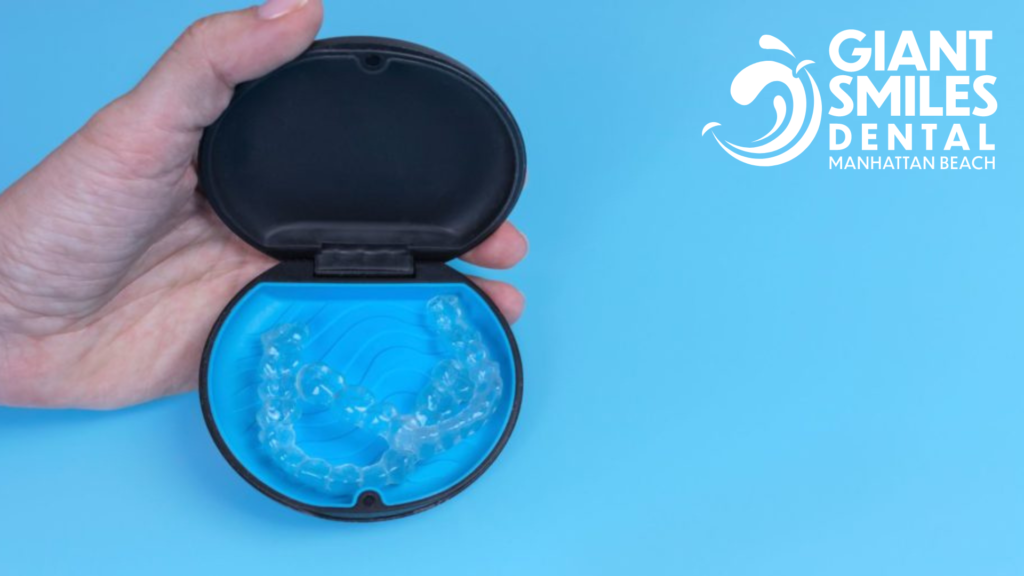
Straighten your teeth without metal braces. Invisalign clear aligners move your teeth a little at a time, come out when you eat, and are hard for anyone to notice. For many adults, treatment takes less than a year.
What Invisalign Can Fix
Invisalign isn't just for minor touch-ups. Dr. Gregory Ray uses it to treat:
- Crowded teeth that overlap or twist and are hard to clean.
- Gaps between teeth.
- Bite problems including overbite, underbite, crossbite and open bite.
- Teeth that shifted after braces when you stopped wearing a retainer.
Very complex cases sometimes need a different approach. At your consultation, Dr. Ray will tell you honestly whether Invisalign is the right tool for your smile.
Invisalign Versus Traditional Braces
| Feature | Invisalign Clear aligners | Metal braces |
|---|---|---|
| Appearance | Clear and hard to notice | Visible brackets and wires |
| Eating | Take aligners out and eat what you like | Avoid hard, sticky and chewy foods |
| Cleaning | Brush and floss normally | Threaders and special brushes |
| Comfort | Smooth plastic, no wires to poke | Brackets can rub cheeks and lips |
| Your part | Wear aligners 20 to 22 hours a day | Braces stay on; no daily choice |
How Treatment Works
- 1
Consultation
Dr. Ray examines your teeth, gums and bite and talks through what you'd like to change.
- 2
Your custom plan
We create a 3D model of your teeth and map out every movement from start to finish, so you know how long treatment should take.
- 3
Wearing your aligners
You'll switch to a new set every week or two and wear them 20 to 22 hours a day, taking them out only to eat, brush and floss.
- 4
Quick checkups
We see you about every six weeks to check progress and hand over your next sets.
- 5
Keeping your results
Teeth naturally want to drift back, so you'll wear a custom retainer, such as Vivera®, to hold them in place.
Living With Aligners
Most people adjust within a few days. A new set feels snug for the first day or two, which means it's working. Take your aligners out for anything other than plain water, and brush before you put them back in so food and sugar aren't trapped against your teeth.
Keep the case with you. Most lost aligners end up wrapped in a napkin on a restaurant tray.
Frequently Asked Questions
How long does Invisalign take?
It depends on how much your teeth need to move. Many adult cases finish in less than a year, and minor corrections can take a few months. You'll get a timeline with your custom plan before you start.
Does Invisalign hurt?
You'll feel pressure for a day or two with each new set of aligners. That's a sign your teeth are moving. Most people describe it as mild soreness, not pain, and it's easier than the tightening appointments that come with braces.
How much does Invisalign cost, and does insurance help?
Am I too old for Invisalign?
No. There's no upper age limit as long as your teeth and gums are healthy. Many of our Invisalign patients are adults who missed out on braces as kids or whose teeth shifted over time.
What happens if I don't wear my aligners enough?
Your teeth won't move as planned and treatment will take longer. Aligners only work when they're in, so wearing them 20 to 22 hours a day is the most important thing you can do.
Will I need a retainer afterward?
Yes. Everyone's teeth tend to shift over time, whether they had braces or aligners. A custom retainer, usually worn at night, keeps your new smile in place.
Find Out If Invisalign Is Right For You
Start with a consultation. Dr. Ray will look at your smile, explain your options and give you a clear timeline and cost before you decide.
What is a surgical guide?
Single Implant Video
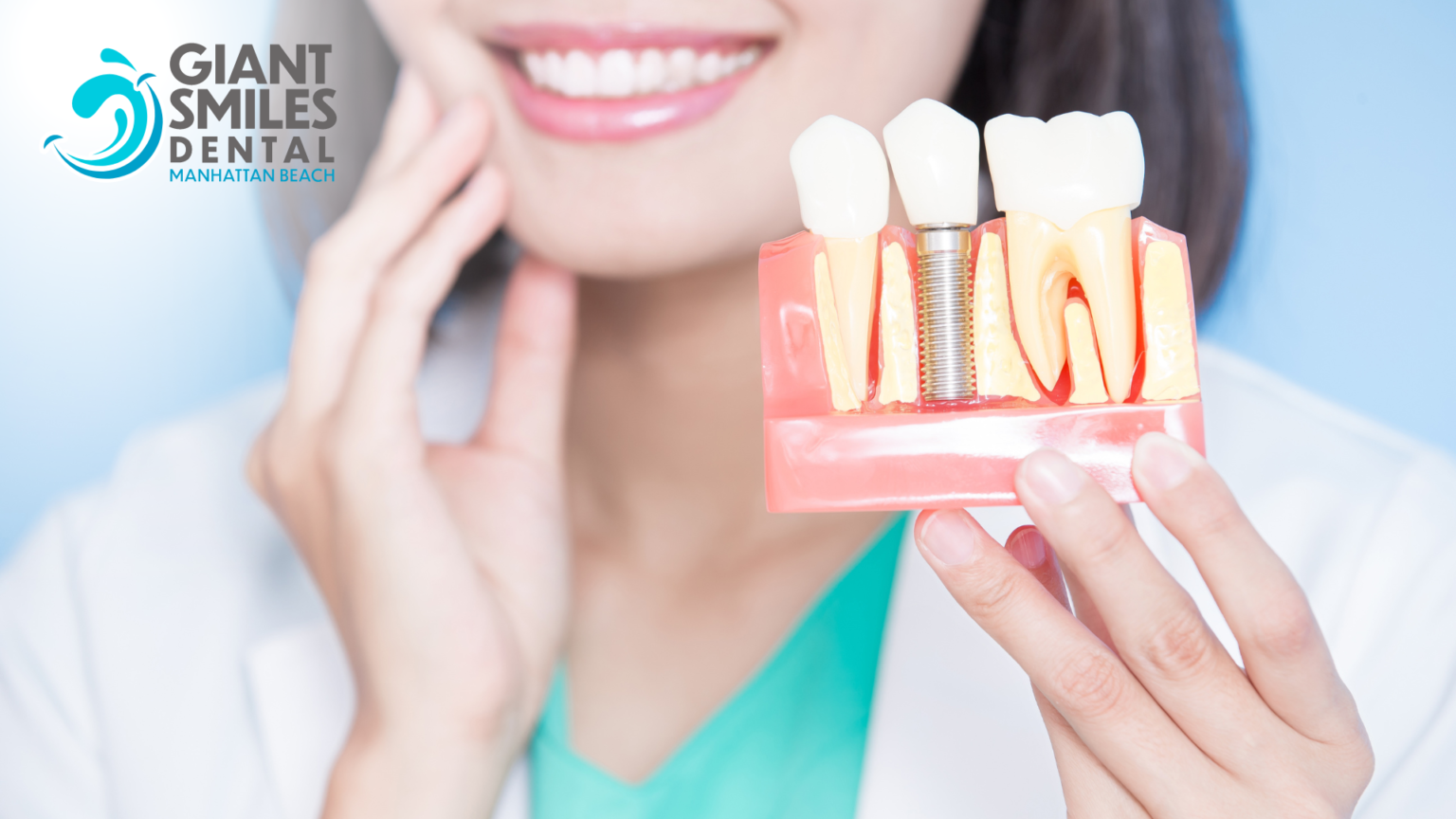
Dental implants in Manhattan Beach are a way that we can replace missing teeth.
Dental implants offer a modern solution for replacing missing teeth, combining advanced technology with materials designed for durability and compatibility with the body. These implants are crafted from titanium, a material renowned for its ability to integrate seamlessly with bone, thereby creating a stable and permanent foundation for tooth replacement. This guide delves deeper into the world of dental implants, providing you with essential information and answering frequently asked questions to help you make an informed decision.
Understanding Dental Implants: A Permanent Solution for Tooth Loss
Dental implants are a revolutionary advancement in dental care, providing a way to replace missing teeth with results that look, feel, and function like natural teeth. The procedure involves two main components: the titanium implant and the implant crown. The titanium implant acts as a substitute for the tooth root, fusing with the jawbone in a process known as osseointegration. This fusion not only ensures the stability of the implant but also helps in preserving the jawbone’s integrity.
Once the implant has integrated with the bone, an implant crown is attached to it below the gum line. This crown is custom-made to match the color, shape, and size of your natural teeth, ensuring a seamless addition to your smile. Dental implants can be used to replace a single tooth, multiple teeth through individual implants, or even a full arch by using multiple implants as support for fixed bridgework.
Precision Placement: Ensuring Success with Advanced Technology
The success of dental implants heavily relies on their correct positioning within the jaw. Utilizing 3-D X-rays and surgical guides, dental professionals can place the implants precisely, avoiding vital structures such as nerves. This meticulous planning ensures that the forces exerted during chewing are evenly distributed across the implant, significantly enhancing its success rate and longevity.
Benefits of Dental Implants
- Natural Look and Feel: Dental implants are designed to blend in with your natural teeth, providing a cosmetic solution that feels natural in your mouth.
- Improved Oral Health: Unlike traditional bridges, dental implants do not require altering adjacent teeth, which preserves more of your natural tooth structure.
- Durability: With proper care, dental implants can last a lifetime, making them a cost-effective solution in the long run.
- Enhanced Comfort and Functionality: Implants eliminate the discomfort and eating restrictions often associated with dentures.
Frequently Asked Questions
1. Are dental implants right for me?
If you have one or more missing teeth, are in good general health, and have a jawbone capable of supporting implants, you may be a candidate for dental implants. A thorough evaluation by a dental implant specialist can determine if this treatment is suitable for you.
2. How long does the dental implant process take?
The entire process can take several months, as it requires the implant to fuse with the bone—a process that can take a few months. The exact timeline varies depending on individual healing times and whether additional procedures (like bone grafting) are needed.
3. Is the dental implant procedure painful?
Most patients report feeling minimal discomfort during the procedure, which can typically be managed with local anesthesia and over-the-counter pain relief medications. Post-operative discomfort is usually mild and temporary.
4. How do I care for my dental implants?
Dental implants require the same care as natural teeth, including brushing, flossing, and regular dental check-ups. Proper oral hygiene helps ensure the longevity of your implants.
5. What is the success rate of dental implants?
Dental implants have a high success rate, often exceeding 95%. Success depends on proper placement, the patient’s overall health, and adherence to good oral hygiene practices.
Emphasizing the Importance of Expert Care
Choosing the right dental professional for implant placement is crucial. Look for a dentist or oral surgeon with extensive experience in implant dentistry, as well as a track record of successful outcomes. A skilled implant specialist will ensure that you receive the highest standard of care, maximizing the success of your dental implants and transforming your smile with confidence.
By providing a stable, long-lasting solution for tooth replacement, dental implants have become a preferred choice for patients looking to restore their dental health and improve their quality of life.