Invisalign or Veneers? How an Invisalign Dentist in Manhattan Beach Helps You Choose
Frequently Asked Questions
Invisalign changes where your teeth sit, and veneers change how your front teeth look. Crowding, gaps, and bite problems point to Invisalign, while chips, wear, and stains whitening can't lift point to veneers. When you need both, straightening first usually means fewer, thinner veneers.
Invisalign moves your natural teeth into better positions, while veneers cover the front of teeth to change their shape and color. If your main concern is crowding, gaps, or bite, Invisalign usually comes first, while chipped, worn, or permanently stained teeth may be better served by veneers, and many smiles need both.
Quick Answer: Fix position with Invisalign and fix surface with veneers. A consultation that reviews your bite, enamel, and goals will tell you which you need, and in what order.
Key Takeaways
- Invisalign preserves your natural enamel; veneers usually require removing a thin layer, which can't be undone.
- Veneers can't correct a bad bite, and using them to hide crowding often means more aggressive tooth preparation.
- A systematic review estimated a 10-year survival rate of 95.5% for porcelain veneers.
- Straightening first often makes later veneers smaller, more conservative, or unnecessary.
A Question Worth Asking Before You Commit
As an Invisalign dentist in Manhattan Beach, I hear one question most often: "Should I straighten my teeth or just get veneers?" It's a fair question, because both can dramatically change a smile and show up in the same before-and-after photos.
They work completely differently, though. One moves your teeth, and the other covers them, so the right answer depends on what's bothering you when you look in the mirror.
What's the Difference Between Invisalign and Veneers?
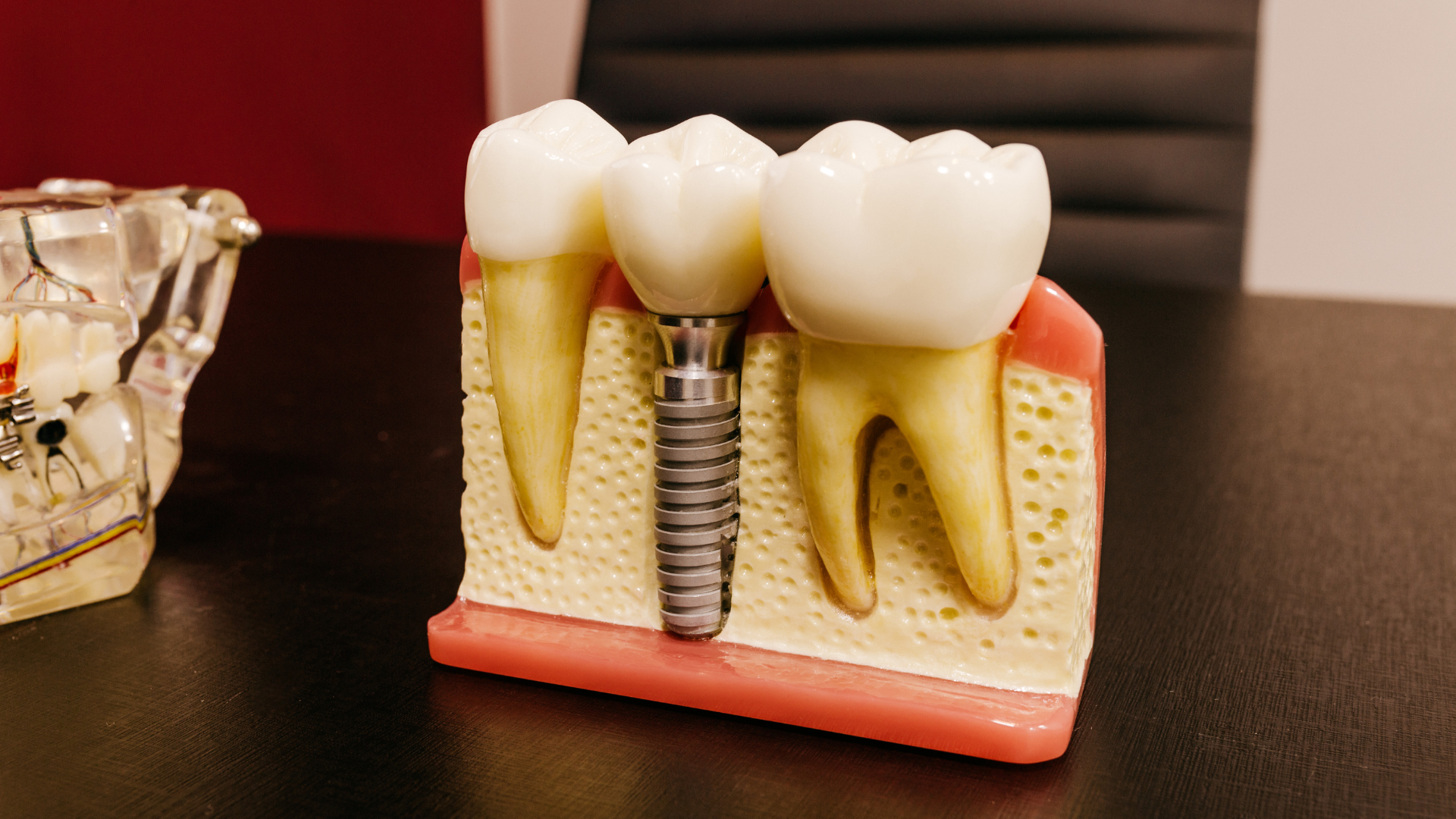
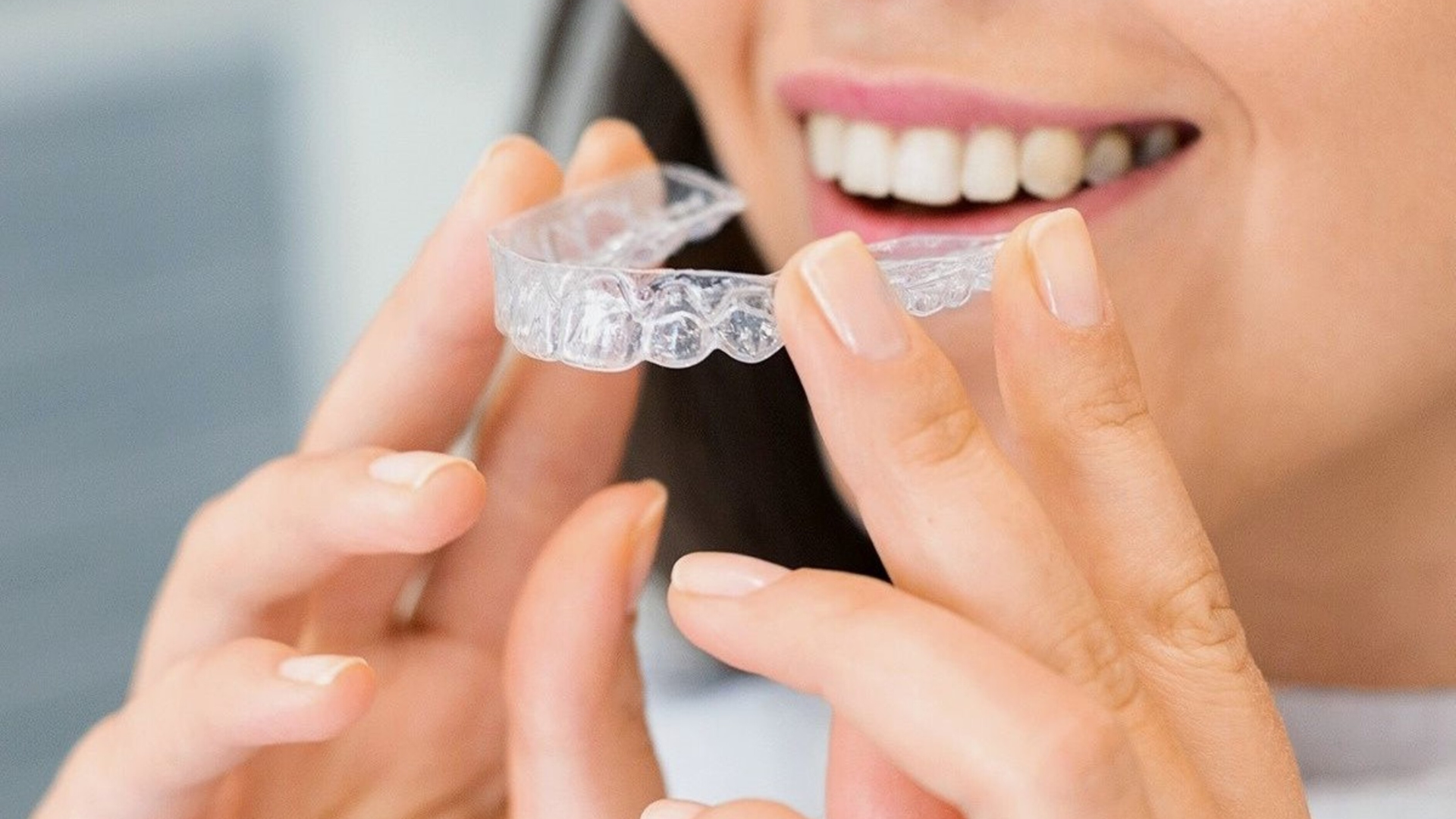
Invisalign uses a series of clear, removable aligners to gradually move teeth into new positions while keeping all of your natural tooth structure. Veneers are thin, tooth-colored shells bonded to the front of teeth to change their color, shape, and length, and placing them usually requires removing a small amount of enamel first.
That last point matters more than most people expect. The American Dental Association's MouthHealthy guide notes that placing veneers is usually irreversible, because enamel has to be removed to make room for the shell.
| Factor | Invisalign | Porcelain veneers |
|---|---|---|
| What it changes | Tooth position and bite | Tooth color, shape, and length |
| Natural enamel | Kept | Thin layer usually removed |
| Reversible? | Yes, teeth stay natural | Usually no |
| Typical timeline | Many adults finish in under a year | Often one to two visits once planned |
| Daily effort | Wear aligners 20 to 22 hours a day | Normal brushing and flossing |
| Long-term upkeep | A retainer, usually at night | Eventual repair or replacement |
When Is Invisalign the Better Choice?
Invisalign is usually the better choice when your teeth are healthy, and you like their shape and color, but they're crowded, gapped, rotated, or your bite is off. It fixes the cause, keeps your enamel intact, and leaves every cosmetic option open for later.
It's a common choice for adults. Align Technology reported that, by the end of 2025, more than 22 million people had been treated with Invisalign, and its fourth-quarter results showed adult clear aligner volumes up 8% from the previous year.
Invisalign tends to be the stronger fit for:
- Crowded or overlapping teeth that are hard to clean.
- Gaps between teeth.
- Overbite, underbite, crossbite, or open bite.
- Teeth that shifted after braces because you stopped wearing your retainer.
The trade-off is commitment. Aligners only work when they're in your mouth, so you control the 20 to 22 hours of wear a day.
When Are Veneers the Better Choice?
Veneers make the most sense when the teeth are already in a good position but the surface is the problem: chipped or worn edges, teeth that are uneven in size or shape, or deep stains that whitening can't lift. They change appearance quickly, but they can't correct how your teeth bite together.
Porcelain veneers hold up well when they're planned and cared for properly. A 2021 systematic review in the Journal of Clinical Medicine estimated a 10-year cumulative survival rate of 95.5%, with outcomes affected by factors such as teeth grinding.
Veneers tend to be the stronger fit for:
- Chipped, cracked, or worn front teeth.
- Teeth that are too short, too small, or oddly shaped.
- Intrinsic stains that bleaching can't change.
- Small spaces on teeth that are otherwise well aligned.
Where veneers get risky is when they're used to hide crooked teeth. Covering crowding usually means shaving more tooth to make the veneers line up, and the bite underneath stays the same.
Why Do Many Patients Do Both, and in What Order?
Many smiles have both a position problem and a surface problem, and the order matters. Straightening first lets the teeth settle where they belong, so any veneers that follow can be thinner and fewer, or sometimes skipped entirely once whitening or small bonding touch-ups take care of what's left.
A typical sequence looks like this:
- Invisalign to correct position and bite.
- Professional whitening once the aligners are done, so the shade is set before any restorations are matched to it.
- Veneers or bonding only on the teeth that still need shape or color changes.
- A retainer to keep everything where it ended up.
Because we design and mill ceramic restorations in the office with CEREC, many veneers can be completed the same day once you're ready. To plan for how long each piece will last, our guide to how long cosmetic dentistry results last covers veneers, crowns, and whitening side by side.
What Happens at an Invisalign and Veneers Consultation?
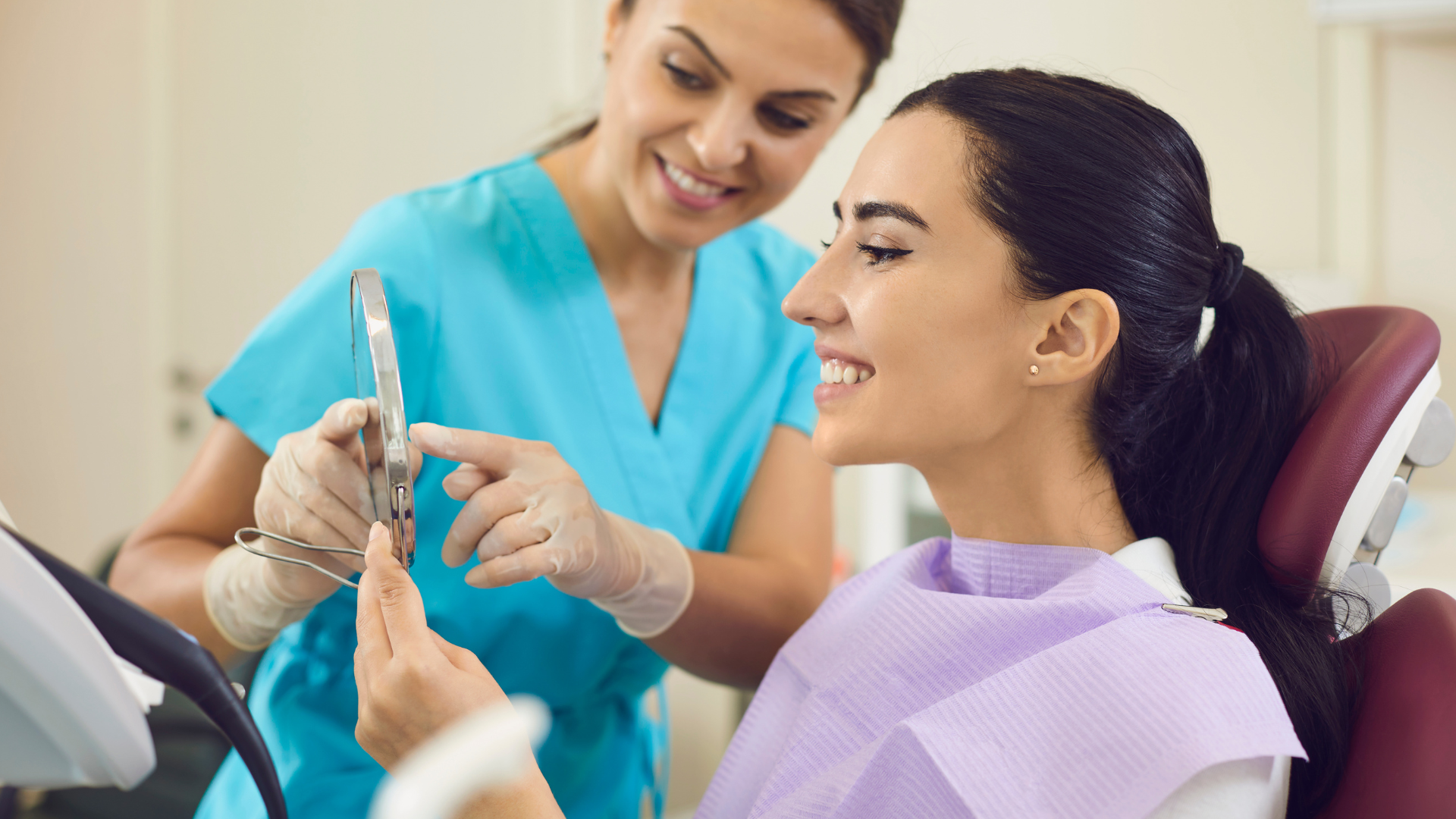
A good consultation looks at your teeth, gums, bite, and enamel before anyone recommends a treatment. You should leave knowing which option fits your goals, why, how long it will take, and what it will cost, with time to decide rather than pressure to book.
Here's how a consultation usually goes at our office:
- Talk through your goals. We start with what bothers you, whether that's crowding, a chipped edge, or color.
- Exam and imaging. I check your teeth, gums, and bite, and look at how much healthy enamel you have.
- A 3D model of your teeth. For Invisalign, this maps every movement from start to finish so you can see the expected result and timeline.
- Options side by side. You'll see what Invisalign alone, veneers alone, or a combination would involve, including cost and visits.
Because we offer both in one office, we can recommend
the best option for your teeth instead of the one service a practice happens to provide. Very complex bite cases sometimes need a different approach, and I'll tell you if yours is one of them.
Frequently Asked Questions
Can veneers fix crooked teeth instead of Invisalign?
Veneers can make mildly uneven teeth look straighter, but they don't move teeth or correct your bite. To hide more noticeable crowding, you usually need to remove more enamel, so straightening with Invisalign first is often the more conservative choice for healthy teeth.
Is Invisalign or veneers better for a gap between front teeth?
For a gap on otherwise healthy, well-shaped teeth, Invisalign can close the space while keeping your natural enamel. If the teeth beside the gap are also small, chipped, or discolored, veneers or bonding may address shape and spacing together.
How long do porcelain veneers last?
Porcelain veneers often last many years with good care. A 2021 systematic review estimated a 10-year survival rate of about 95.5%, though grinding, biting hard objects, and gum health all affect how long yours will last.
Can I get veneers after Invisalign?
Yes, and it's a common plan. Finishing Invisalign first lets your dentist place veneers on teeth that are already in the right position, which often means thinner veneers, fewer teeth treated, and less enamel removed. You'll keep wearing your retainer afterward.
Am I too old for Invisalign?
There's no upper age limit for Invisalign as long as your teeth and gums are healthy. Many adults choose it after missing braces as kids, or because their teeth shifted over time and they want to correct that without metal brackets.
Can a general dentist provide Invisalign?
Yes. Many general dentists are trained to plan and manage Invisalign, especially for adult crowding, spacing, and relapse after braces. Very complex bite problems may need a different approach, so ask your dentist whether your case fits aligners.
The Dentist Behind This Guide
Gregory Ray, D.D.S., is a general and cosmetic dentist and the founder of Giant Smiles Dental in Manhattan Beach. He earned his dental degree from the University of the Pacific School of Dentistry in San Francisco, practiced in San Diego for more than a decade, then in Manhattan on the Upper East Side, before opening his South Bay practice.
Dr. Ray is a member of the American Academy of Cosmetic Dentistry, a certified trainer in CEREC same-day dentistry, a Fellow of the International Congress of Oral Implantology, and a new product and technology evaluator for Clinical Research Associates.
Serving Manhattan Beach, Hermosa Beach, and Redondo Beach from 500 S Sepulveda Blvd, Suite #305, Manhattan Beach, CA 90266.
Start With Your Teeth, Not a Treatment
Invisalign and veneers solve different problems. Position and bite point to aligners, surface damage points to veneers, and many people do best with Invisalign first and only as much cosmetic work as they still need afterward.
If you're weighing the two, let's look at your smile together. Call Giant Smiles Dental at (310) 219-6262 or book an Invisalign and veneers consultation online.
Disclaimer: This article is for general educational purposes and isn't a substitute for personal dental advice. If an aligner is damaged or doesn't fit, or you have questions about your treatment, please contact your dentist.
New Title